Memories of the NCC

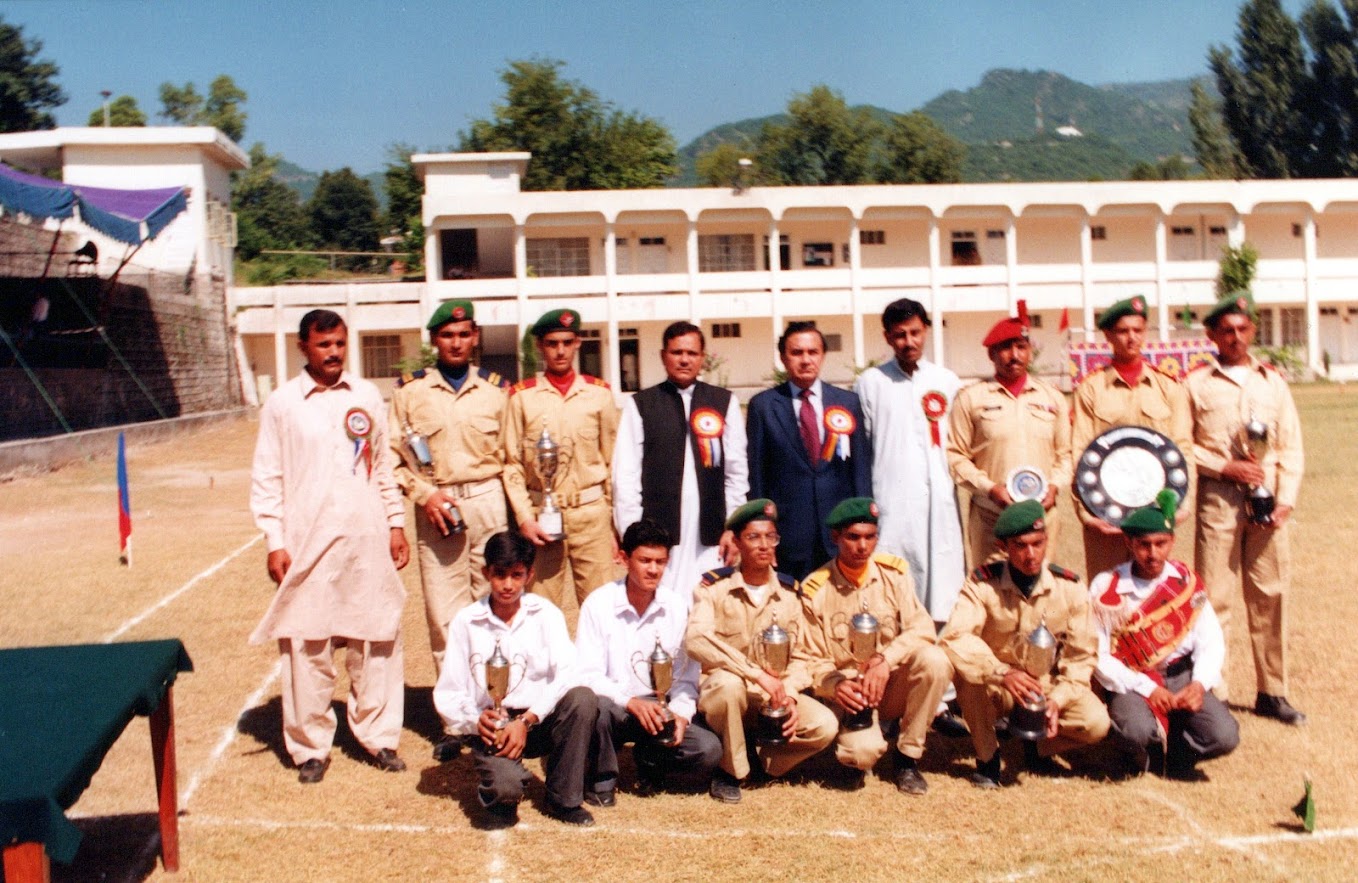
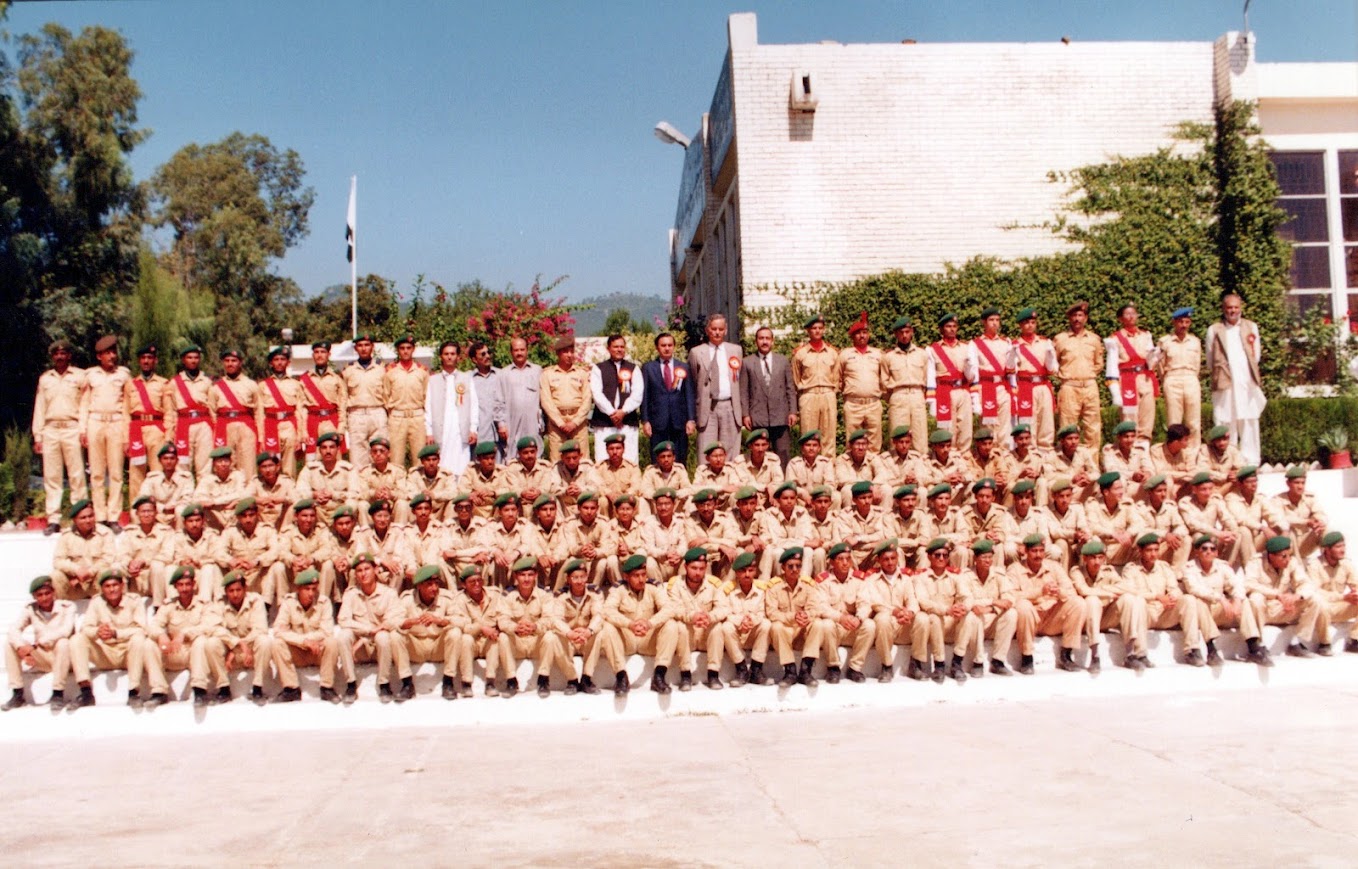
Back in the day, when we were in high school, we were required to take the National Cadet Corps (NCC) training for national defense. We received maybe 20 or 25 points toward our high school grade, which really helped me out since my board exam scores weren’t exactly great.

The H-8 College

The first training I attended was at H-8 College, near Peshawar Mor. I had to go there because I’d done my matriculation in Bahrain and moved back to Pakistan, missing the first year of training. I had to make it up during a month-long session at H-8.

It was a fun month; school was closed, so there wasn’t much activity other than our training, which was mostly comprised of people who had missed the first round for various reasons. I remember there were constant transportation strikes in Islamabad at the time. That meant no buses to take me from H-8 all the way home to F-10. I ended up walking that entire distance many days. Nowadays, that sounds like a terrible idea, but back then, it was just a long walk in hard military boots and khaki clothes that weren’t well-ventilated. It was difficult, but it left an everlasting memory.

I also remember someone introducing me to the H-8 cafeteria, saying, “This is where a student from a political party shot someone.” I think someone may have even died. It was one of those schools where political activity by student organizations was allowed, unlike our high school, which didn’t permit it.

Company Commander in F-7/3

The second training took place at my own school in F-7/3. This time, it was with my classmates—people I had grown accustomed to and become friends with, though not many of those bonds remained after moving to America.

I ended up becoming a Company Commander, which meant I was in charge of about 80 boys during the parade. I shouted commands like “Right turn,” “Left turn,” “About turn,” and “Forward march”—all in Urdu, of course. Those commands are still ingrained in my mind; I remember them by heart.

A Gone Era

The NCC doesn’t exist anymore, and the current generation will never truly understand what it was. Maybe it was a bonding experience, or perhaps just an interesting way to get a taste of the military lifestyle.

One highlight was going to a shooting range in Rawalpindi. The only thing I remember is that we used the World War II M1 Garand. We had to memorize its specs for the exam—specifically that it was an air-cooled rifle. Just a funny memory, I guess.

Memory and Anchors: My Life Between Two Worlds


I’ve decided to start documenting my life here in America. I’m not sure if anyone is actually interested, but what the heck—I’m going to start writing down the things I remember before I can’t remember them anymore. Turning 45 made me realize just how fast life is passing. With my father passing away, I see my own time coming now too; maybe soon, maybe later, but it’s inevitable. I’m not sure if my kids are as interested in my story as I was in my father’s, but I’ll write it anyway. If they ever want to know who I was, it’ll be here.

Coming to America was a dream of mine. In a way, I think I pushed everyone toward it. I basically forced my parents to come, even though it meant leaving me and my brother behind for a while. How life has figured itself out since then is up for interpretation. We live with the decisions we make; our future is just the sum of those choices over time. I live a happy life, I guess. The kids are grown, I’m in school, and time keeps moving on. I’ve always wanted to write about my likes, my dislikes, my favorites, and my rants. Even if nobody cares to know, I’m going to pen it down.

The First Return: 2002

The first time I went back to Pakistan after moving to the U.S. in ’98 was around 2002. Islamabad hadn’t changed much back then. I flew Emirates, and I remember having to save up every penny—the ticket cost me about $1,400. I took two weeks off and stopped in Dubai for a bit.

A friend of my father’s picked me up in Dubai to show me around. At that time, they were building their first major mall. I was blown away by the scale of it. Now, huge malls are the norm, but back then it felt surreal to see that many shops in one place. I’d seen malls in America and I’d lived in Bahrain before, so seeing the Gulf moving that fast felt different.

When I finally arrived in Islamabad, my parents and sister picked me up. On the drive home from the old airport, I instinctively reached for my seatbelt, and my parents started laughing. It wasn’t the norm there yet, but the U.S. had already made it a hard habit for me. That night, I got home after midnight, but by early morning, I was already out with the car to see friends. Life felt normal. I still had deep roots there; I knew people. I can’t say that’s the case anymore. Twenty-seven years later, the friends are gone. It’s just me and the family.

The City That Moved On: 2015

I visited again in 2003—a trip worth its own story—but after that, I didn’t go back for twelve years. When I finally returned in 2015 with my wife and kids, the Islamabad I encountered was a different city entirely. It wasn’t something I felt connected to.

Yes, the roads were there. The places were familiar. But the city itself had moved on without me. Maybe I deserved it for leaving, but I never felt “at home” after that. The city had expanded, grown massive. The only anchor I had left was my parents, and I fear the day that anchor is gone completely. With my father gone, I don’t know how much time I have left with the city I loved.

We used to call Islamabad the “city that goes to sleep early.” People from Karachi and Lahore always complained we were boring, but we liked it that way. By 2015, it was a sprawling metropolis. It used to be that if you ended up in I-10, you felt like you were in a strange, far-off land. Going to Pindi was a pain, and passing through Faizabad was a chore. Now, it’s all streamlined with motorways and major roads, but the beauty feels limited now.

Fading Footsteps

I remember being able to walk right in front of the Parliament House. My father worked at a bank branch right across from the Secretariat, but you can’t go there anymore—containers are always blocking the space. My old university in the Blue Area is gone; they moved. I used to walk through the Blue Area during the March 23rd parade practices, watching the full dress rehearsals and the planes flying overhead.

That city is gone. It’s more “organized” now, or maybe just more controlled. Every time I land there now, I feel out of place. I still consider myself an *Islamabadi*, but that identity might end with me. My kids have no real connection there. I wish they did, but to them, Pakistan is just a place for good food and clothes. There’s no identity in it for them.

It’s depressing to see everyone just looking to make a quick buck. I miss the days when I could walk from high school all the way to F-10 in the heat of summer, hitching lifts from passing cars. That time and the city just aren’t there anymore.

73 Years

I wrote this last year but never posted it.

today is the 73rd year of the independence of Pakistan. The country I left as 19 years old looking for a better future. I did find religion and a future but being away from Pakistan left a gaping hole in my personality. this will be something I need to come to terms with but alhamdulillah I was born in Pakistan and lived as a Pakistani and still love Pakistan.

what religion gave me was a sense of no nationalism. Islam doesn’t preach that. but I feel that we as Pakistanis overdo it. religion is something that needs to be lived, not just professed. we pay lip service to the religion but don’t act on it. this is true in current-day Pakistan or maybe many Muslim countries but I am talking about Pakistan. what has destroyed Pakistan in the last 50 years is the culture that was elevated above religion, the nonaccountability of religious authority, the use of religion by political forces. this created a disconnect between a normal man and the accountability that needs to exist at every level. What we still wait for in Pakistan is a better day. Inshallah it will come, not sure when. Allah helps those who help themselves.

we have institutionalized corruption, given it religious NRO. you can do corruption and you are fine. the Law is for the poor. It will keep on going for the poor. The rich are untouchable. The movie Elysium, it was something that portrayed the plight of the people while the rich lived out of reach and out of reality.

Maybe this is a rant and I am just venting but we tried. We tried when the time was right but the rich won the race. I remember when i was in Islamabad there was a Landrover showroom in Blue Area, I used to think about who buys cars from there. Never saw much Landrovers on the road. I did see a lot of Land cruisers which were a status symbol and the UN had a lot of them in Islamabad also. So I assumed it is in the garages of the rich people. Come to my last visit in 2015 and the roads were littered with high-end cars. The roads were never fixed but the Rich got Audis, Mercedes, Landcruisers and alot of Range Rovers.

Long Live the Halal earned money.

Rangeela

The time is 1997 and I am preparing for my FSc. I would stay up all night and study and sleep during the day. this kept on happening for months before the actual exams. I had the rangeela songs for my entertainment. it was winter in Islamabad and was cold at night. but hoping to score the best results for FSc kept me going.

there are moments when you hear or smell something and it brings back a lot of memories. It could be the smell of flowers while walking back from school and walking parallel to F-9 Park or could be the sound of a bird that brings back the green belt area between F-10 and E-10 Area. so the song for Rangeela kind of hit me. I was browsing thru some YouTube videos and came across the song. it sent chills through my spine. maybe it unlocked the memories or the feelings that I had during that time. I felt the coldness of the winter in 97-98 or the coffee that I would make and drink at night when I did start studying. it just brought back a river of memories.

Good times when the life was infront and the possibilities were unlimited.

Mukhtaran Mai


The case and the verdict in Mukhtaran Mai is very sad state of affairs of Pakistan. What is even sadder is that the judiciary is being held responsible for the failure to deliver justice. I may not be an expert but it seems people who are holding the judiciary responsible (liberals, Feminists and other judiciary bashers from the current government in Pakistan) keep forgetting that the judge can only pass a judgment on facts and evidence presented to him/her in the court of law. They have to be unbiased and fair but obey the law to the letter and not let their personal feelings come in between what is proved in the court and what others might think of the issue.

The sad aspect is that the case was originally brought up in early 2002, when Musharraf was in power. Courts took up the matter but as it became very visible internationally, the culprits were arrested and incarcerated for some time. Sadly Police didn’t do a good job at investigation, gathering facts or getting confessions, then our system of feudal took over who wouldn’t want their people get punished for whatever reason. I am not an expert here so won’t try to explain more of what happened.

The bottom line is that in a country where Supreme Court can’t enforce its own decisions will not be able to do investigation or enquiry in case. The police failed (most probably corruption to blame here) in their due diligence and presented a weak case, muddied facts and no solid facts. What is a judge got to do? He can’t read the newspapers, watch CNN, see Mukhtaran Mai get awards and decide the guilt of others but he/she can only judge based on what happens in the court room.